
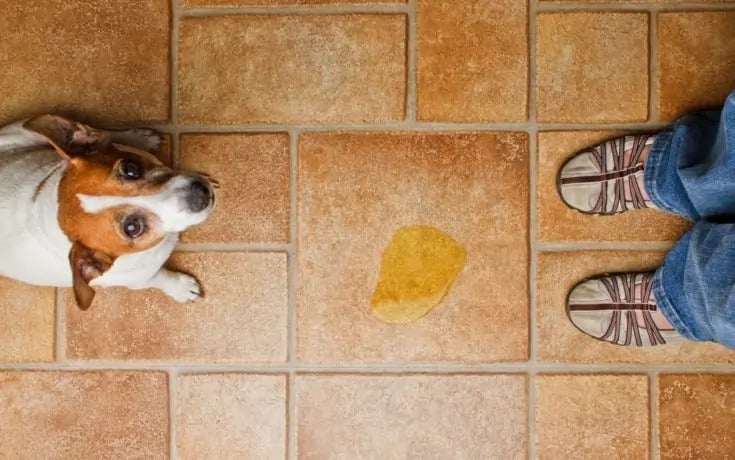
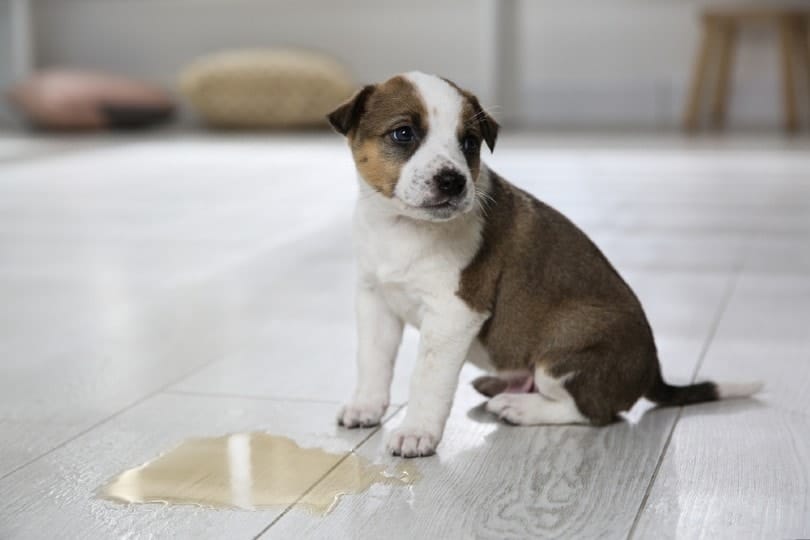
You just got home. You’re smiling. Then you look down — another puddle on the floor : )
Sound familiar? Don’t worry. Every puppy owner goes through this. The good news? With a little patience and the right approach, you can teach your pup where to go — and stop the indoor accidents for good.
Let’s walk through it, step by step.
First, Understand Why It’s Happening
Your puppy isn’t being naughty. They genuinely can’t help it — at least not yet.
Young puppies have tiny bladders and almost zero ability to “hold it.” A 2-month-old pup can only go about 1–2 hours between bathroom trips. Their brain and bladder simply aren’t mature enough yet. On top of that, no one has taught them that inside the house is off-limits.
There’s also a handful of other reasons accidents happen:
- Excitement — a burst of joy (like you coming home) can trigger an involuntary wee
- Fear or nervousness — some pups piddle when startled or anxious
- A health issue — urinary infections can cause sudden, frequent urination
⚠️ When to see a vet: If accidents are very sudden, unusually frequent, or you notice straining, blood, or a strange smell — get your puppy checked before anything else.
1. Watch for These Warning Signs
The fastest way to prevent accidents is to catch the moment before it happens.
Your puppy will almost always give you clues. Learn to spot these signals:
| Warning Sign | What It Looks Like |
|---|---|
| 🐽 Sniffing the floor | Nose down, circling a spot intensely |
| 🔄 Spinning in circles | Restless, can’t settle in one place |
| ⬇️ Starting to squat | Rear end lowering suddenly |
| 👀 Zoning out mid-play | Stops playing and looks distracted |
| 🚪 Heading to a corner | Moves toward a quiet, hidden spot |
The second you see any of these — stay calm, pick them up gently, and head outside right away. No shouting, no rushing. Just move quickly and quietly.
2. Build a Bathroom Schedule (And Stick to It)
Puppies are creatures of habit. The more predictable their routine, the faster they learn.
Take your puppy outside at these key moments every single day — no exceptions:
Always take them out:
- First thing in the morning (before anything else)
- After every meal (within 15–30 minutes)
- After every nap
- After playtime
- Right before bed
A simple rule to remember: puppies can hold their bladder for roughly one hour per month of age.
So a 2-month-old needs a toilet trip every 2 hours. A 4-month-old, every 4 hours. Set reminders on your phone if you need to — especially in the early weeks.
Pro Tip: Keep a little notebook or use your phone’s notes to track when your puppy eats, drinks, naps, and goes to the toilet. You’ll quickly spot patterns and know exactly when a trip outside is due.
3. Always Use the Same Spot Outside
Pick one specific patch of grass and take your puppy to the exact same place every single time.
Why? Because the lingering scent of their previous visits tells their brain “this is where I go.” It’s a surprisingly powerful cue — and it works remarkably fast.
As soon as you arrive at the spot, say a simple phrase like:
“Go potty” or “Wee wees” — anything short and consistent
Say it calmly while they sniff around. Over time, this phrase alone will trigger the urge — even in new places like a park or a friend’s garden.
4. Celebrate Every Single Success
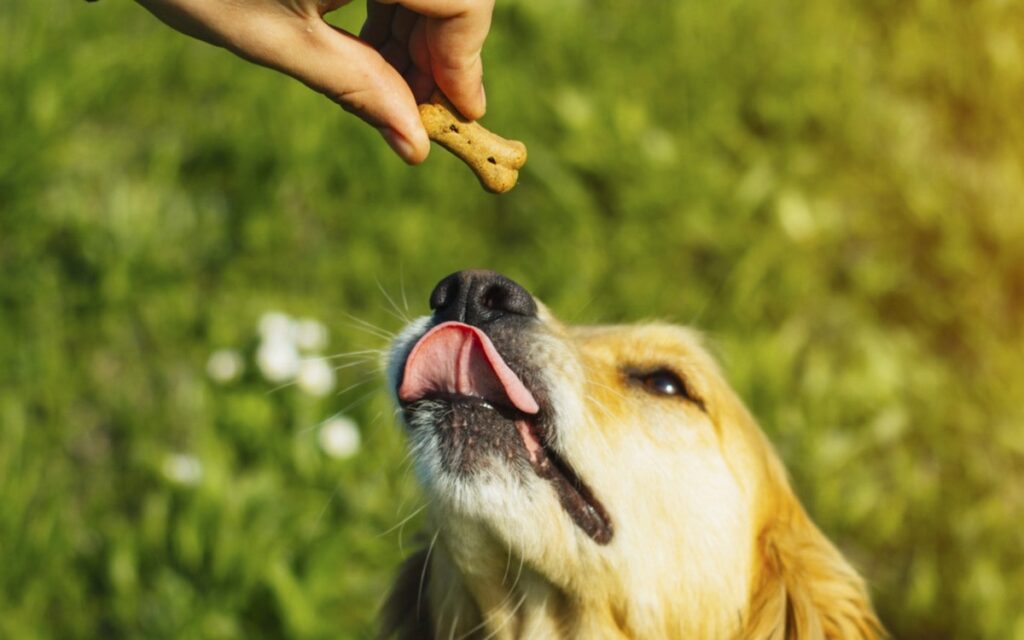
This is the most important step of all — and the one most people underdo.
The moment your puppy finishes going outside, go wild. Get excited. Use a big, warm, happy voice. Give them a small, delicious treat within three seconds of them finishing.
That tight timing matters. Puppies live completely in the moment. A reward three minutes later teaches them nothing. But a reward three seconds later? That tells them exactly what they did right.
Great reward options:
- Small bits of cooked chicken or cheese
- Soft training treats they don’t get at other times
- Enthusiastic praise and a fuss (“YES! Good boy! Amazing!”)
- A quick game with their favourite toy
🚫 Never Punish Accidents Indoors
This one is really important. Do not scold, shout at, or rub your puppy’s nose in a mess.
By the time you’ve found the puddle, it could be minutes or even hours old. Your puppy has absolutely no idea what they’re being told off for. All they learn is that you are scary and unpredictable — which causes anxiety, which often makes accidents happen more often.
Simply clean it up calmly and move on.
5. Use a Crate to Your Advantage
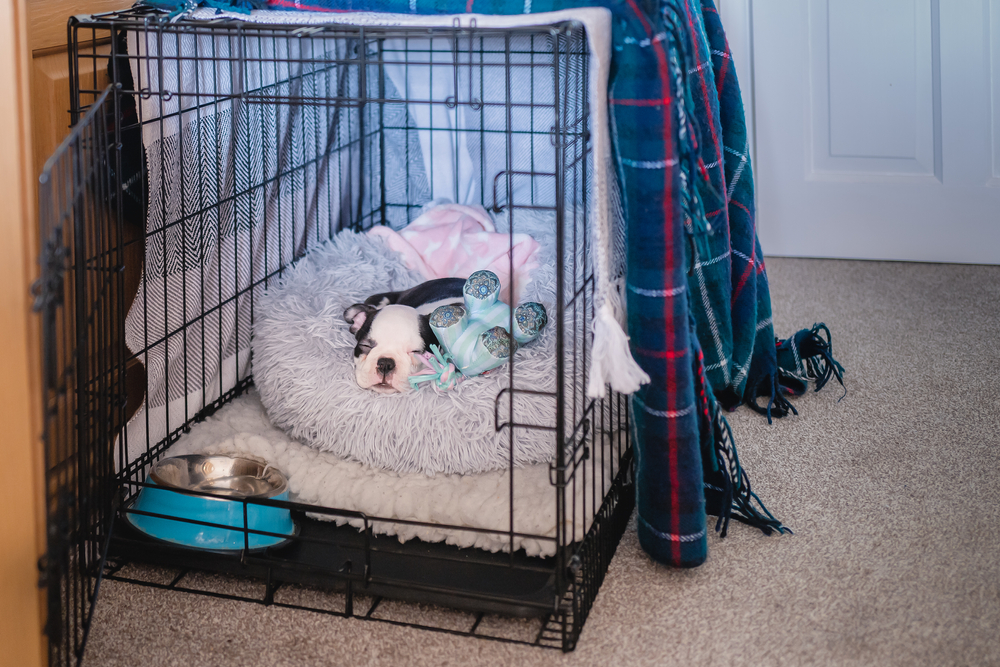
A crate might look like a cage — but to a puppy, it quickly becomes a cosy den they love.
Dogs have a natural instinct to keep their sleeping space clean. A crate that’s just big enough for your puppy to stand, turn around, and lie down uses this instinct brilliantly. When you can’t watch your puppy directly, the crate stops them wandering off to pee in a hidden corner.
How to introduce the crate kindly:
- Leave the door open at first with a soft blanket and a treat inside
- Let your puppy explore it freely — never push them in
- Feed meals near the crate, then gradually inside it
- Build up to closing the door for short periods while you’re in the room
Important: Never leave a puppy in a crate longer than their age in months, in hours. A 2-month-old: max 2 hours. A 3-month-old: max 3 hours. Crating too long forces accidents and defeats the whole purpose.
6. Clean Up Accidents the Right Way
Here’s something most owners don’t know: if you don’t clean an accident properly, the scent remains — and your puppy will return to that exact same spot again and again.
Plain soap and water won’t work. You need an enzymatic cleaner — a spray designed specifically for pet urine. It breaks down the uric acid crystals that regular cleaners leave behind, so the smell is truly gone.
How to use it:
- Blot up as much of the wee as possible first (don’t scrub — that pushes it deeper)
- Spray the enzymatic cleaner generously over the area
- Let it soak in for the time stated on the bottle
- Blot dry
🚫 Avoid any cleaner with ammonia — it smells similar to urine and can actually attract your puppy back to the same spot.
7. Don’t Give Your Puppy Too Much Freedom Too Soon
This is one of the most common mistakes new puppy owners make.
If your puppy has free roam of the whole house, they will find a quiet corner to use as a bathroom when you’re not looking — and once they do it a few times in the same spot, it becomes a habit that’s hard to break.
The simple fix: Keep your puppy in the same room as you at all times during the training period. Use baby gates or a puppy pen to limit their access to the rest of the house.
Think of it like earning privileges. As your puppy gets more reliable — longer stretches without accidents, starting to ask to go outside — you can slowly expand the areas they’re allowed to explore.
Mistakes That Slow Everything Down
Watch out for these common pitfalls:
| ❌ Mistake | ✅ What to Do Instead |
|---|---|
| Punishing accidents after the fact | Clean up calmly and say nothing |
| Expecting perfection too soon | Be patient — full control takes months |
| Letting the schedule slip on weekends | Consistency 7 days a week is essential |
| Using regular household cleaner | Always use an enzymatic pet cleaner |
| Giving too much space too soon | Restrict freedom until trust is earned |
| Different rules from different family members | Everyone must follow the same routine |
So… How Long Will This Take?
Here’s an honest answer:
- Within 2–4 weeks of consistent training, most puppies show real improvement
- Full reliability — where accidents are rare — usually comes between 4 and 6 months of age
- Smaller breeds can take a little longer, simply because of their tinier bladders
The single biggest factor? Consistency. More than any trick or product, it’s showing up with the same routine, the same rewards, and the same calm patience — every day — that gets you there.
What If My Puppy Was Doing Well… and Then Regressed?
It happens to almost everyone — and it doesn’t mean you’ve failed.
Regression is very common during:
- A house move or change in environment
- The arrival of a new pet or baby
- Adolescence (around 5–8 months, when hormones kick in)
- Any disruption to their routine
When it happens, simply go back to basics. Tighten the schedule. Reward every success. Restrict freedom again until they’re back on track. It usually passes quickly.
The Bottom Line
Stopping a puppy from peeing indoors isn’t about being strict. It’s about being consistent, patient, and kind.
Give your puppy lots of chances to do the right thing. Celebrate every success like it’s the best thing you’ve ever seen. Manage their environment so they’re set up to win — not set up to fail.
The puddles won’t last forever. With the right approach, your pup will get there — and so will you. 🐾
 by Non Profit Supporters